 14th February 2012. I had a grand present from my ex-wife and her husband last Christmas. Membership of English Heritage. Gosh. Membership of the National Trust and English Heritage is almost – but not quite – more than we can bear! After constant work on the PC for a few days, it was high time to get out of the house & activate the EH membership. The nearest EH site to my humble abode is Kenilworth Castle, so we fared forth, and were greeted affably by the skilled and dedicated volunteers who give their services gratis in running, organizing, administering EH, and above all, making visitors welcome. Excellent. It was a cold and windy day, with the very occasional touch of sunshine. This is the view you see when you arrive.
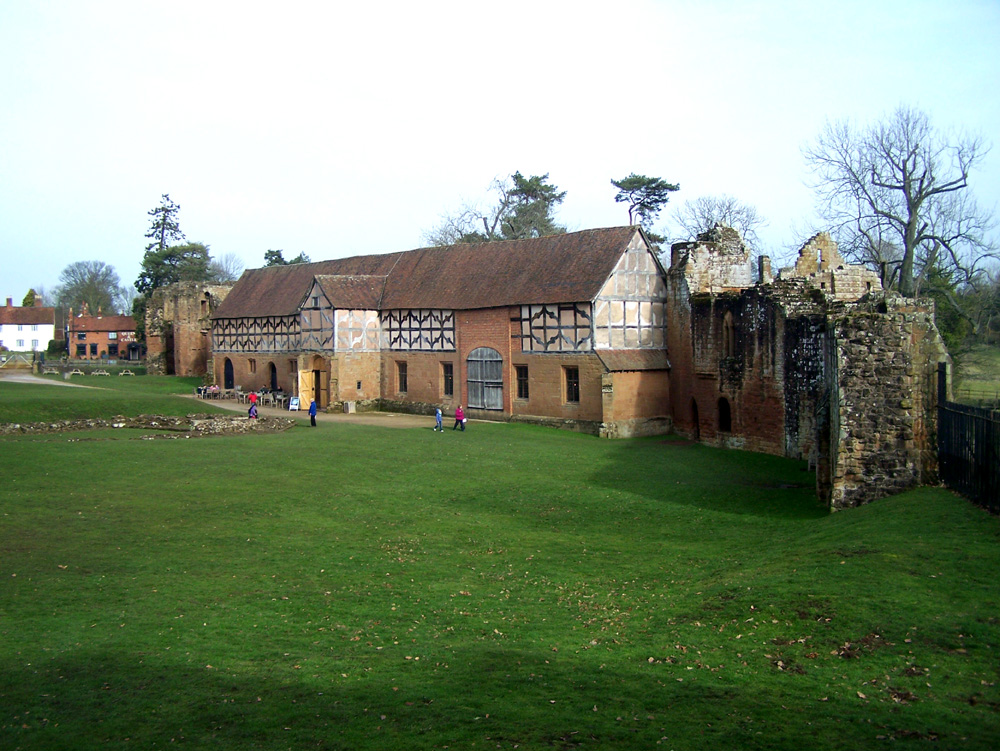 Here is the ‘stable block’, which now contains in the left-hand part an excellent café, and in the right, a well-planned ‘pocket history’ exhibition of the castle, with many inter-active items to interest children – and myself. Today there were indeed many children present, as it was the half-term holiday week. They all seemed to be enjoying themselves very much. And of course, groups of school-children come here in parties daily in term time as well.
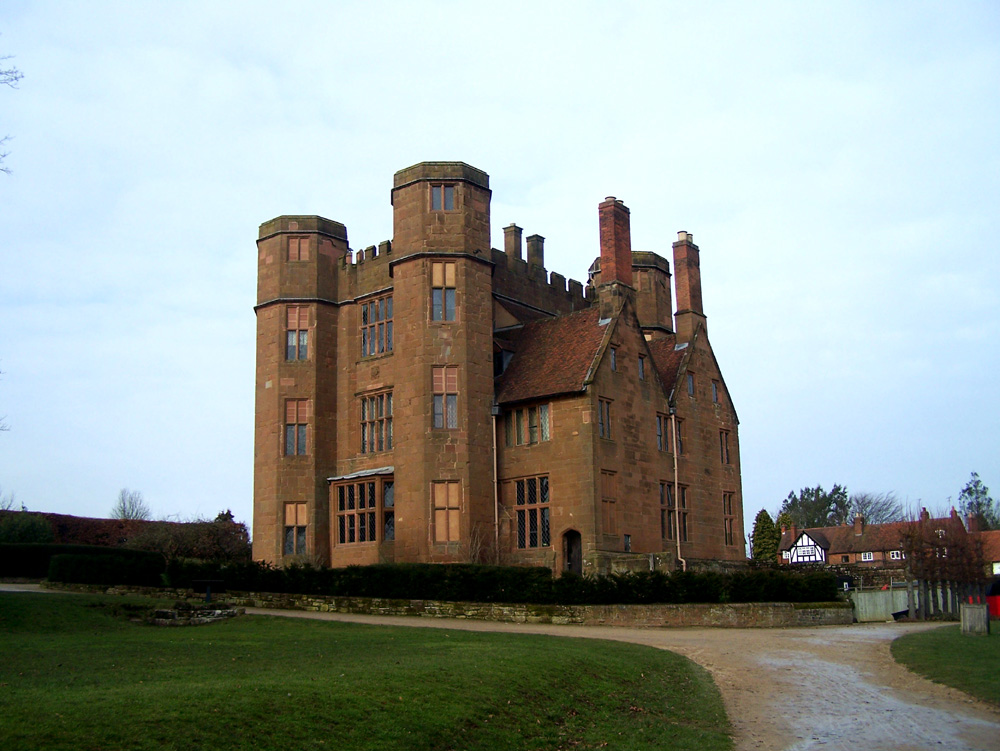 You can read all you wish to about the long history of Kenilworth Castle on line. A good starting point would be http://www.english-heritage.org.uk/daysout/properties/kenilworth-castle/ . This building, after the Civil War, became an up-market rented house, and was still lived in until the 1930s. Now it houses further exhibitions of the history of the castle.
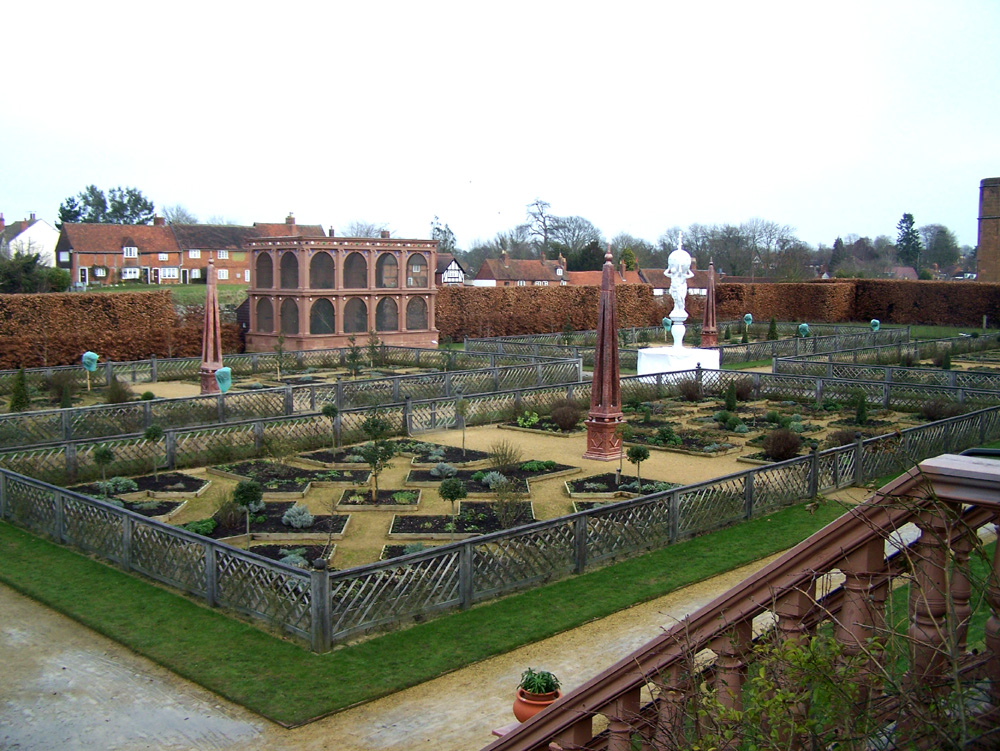 A major new project is the restoration, or re-creation, of the Elizabethan Garden. It’s looking pretty good for February!
 For anyone not familiar with British castles, the reason they are almost always in ruins is simple. They didn’t just fall down by themselves over the centuries. Good heavens, no! They were far too robustly built to do that. Indeed, their robustness was the very reason why, after the English Civil War (or Wars) of 1642-1651, most of them were deliberately torn down, dismantled, or even blown up with gunpowder, in order to stop them being used as centres of opposition to whatever unpopular Monarch – or government – happened to be in power. The beautiful concept of a ‘unified England’ (first attributed to King Alfred the Great (reigned 871 – 899)), was actually incredibly fragile for many hundreds of years. Disputes & arguments between the Monarch and his supposedly subordinate lords were frequent. Nobles and barons, especially in the north of England, were often ready to oppose the Monarch, who was based in far-off London; and their castles were tedious, difficult, expensive, and not infrequently impossible to overcome. Thus, after 1651, they were essentially got rid of during the Commonwealth. This was the case with Kenilworth Castle: it’s all in bits and pieces.
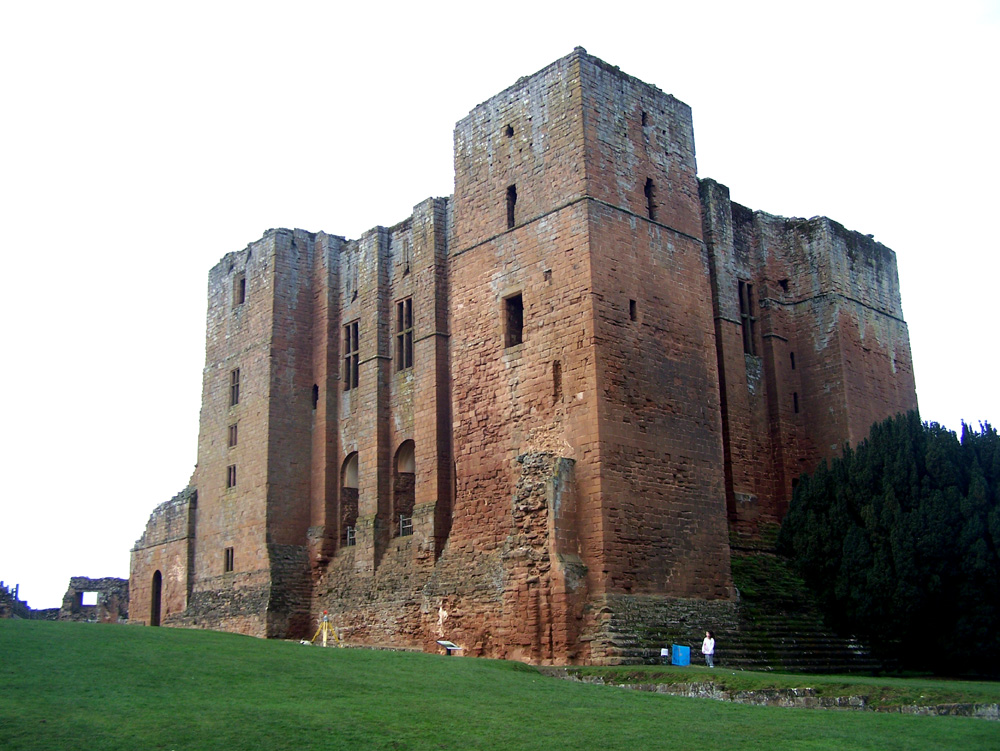 Another view of the same part of the castle.
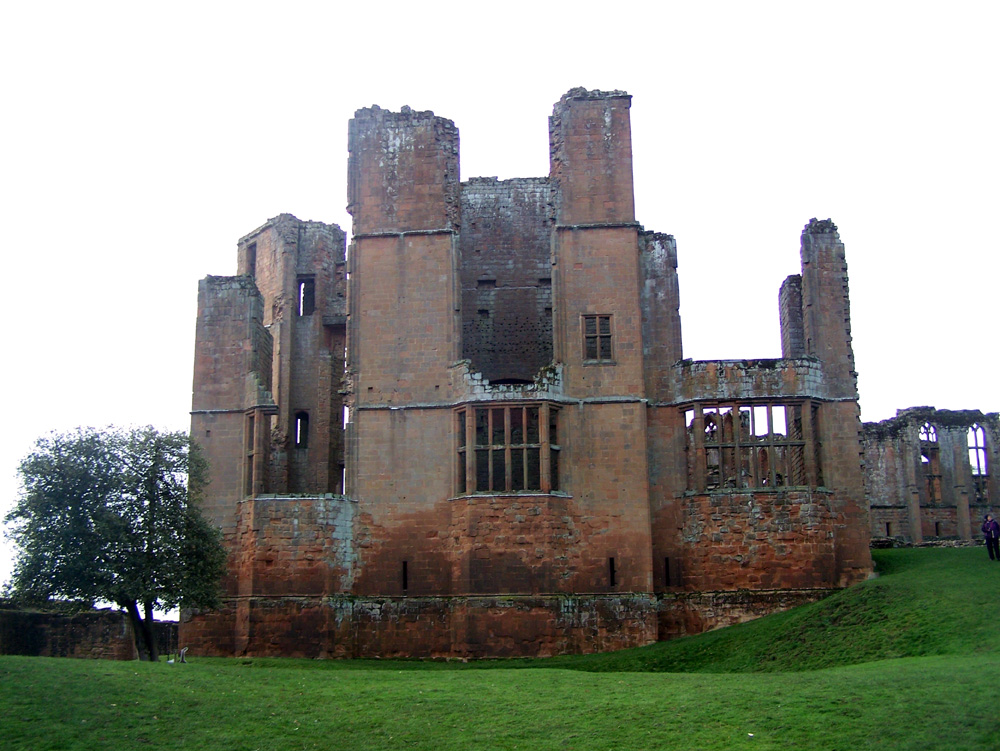 And a neighbouring part.
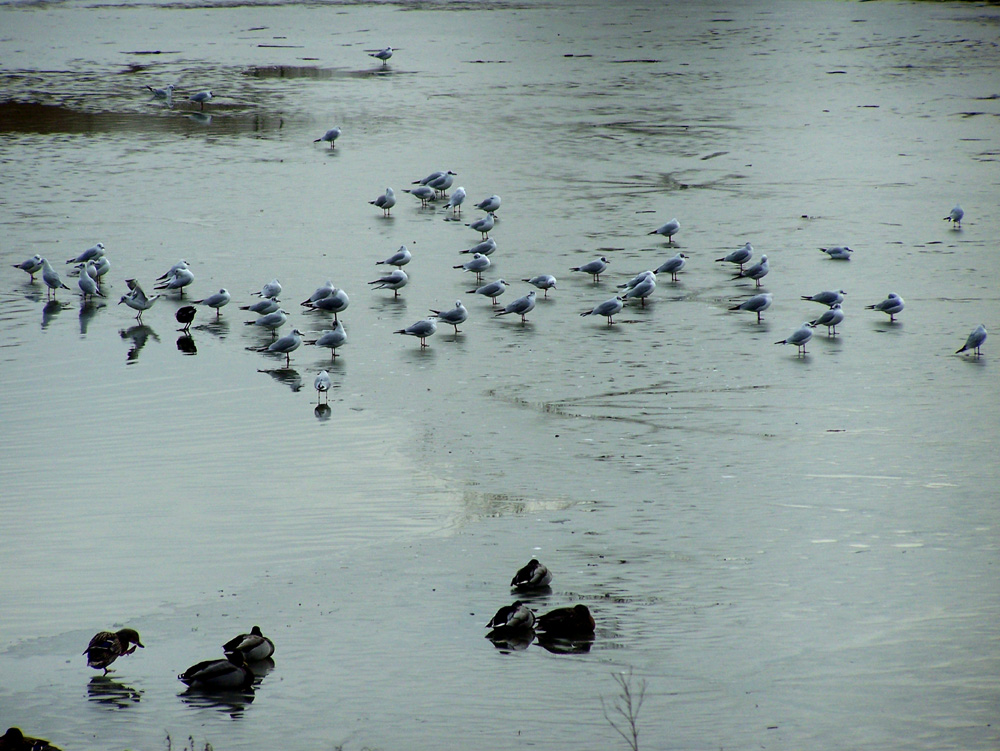 It was cold that day, and black-headed gulls and ducks stand in a resigned fashion on the ice of the pond in the grounds of nearby Kenilworth Abbey. It’s only a few minutes’ walk from the castle to what remains of the Abbey, which are relatively slight. When I was young, you never saw seagulls very far away from the sea. Whereas now they are common, even in central England, and we totally ignore their plaintive calls as they wheel around overhead. Probably as recently as 30 years ago, nobody would have believed there would ever be seagulls in Kenilworth?
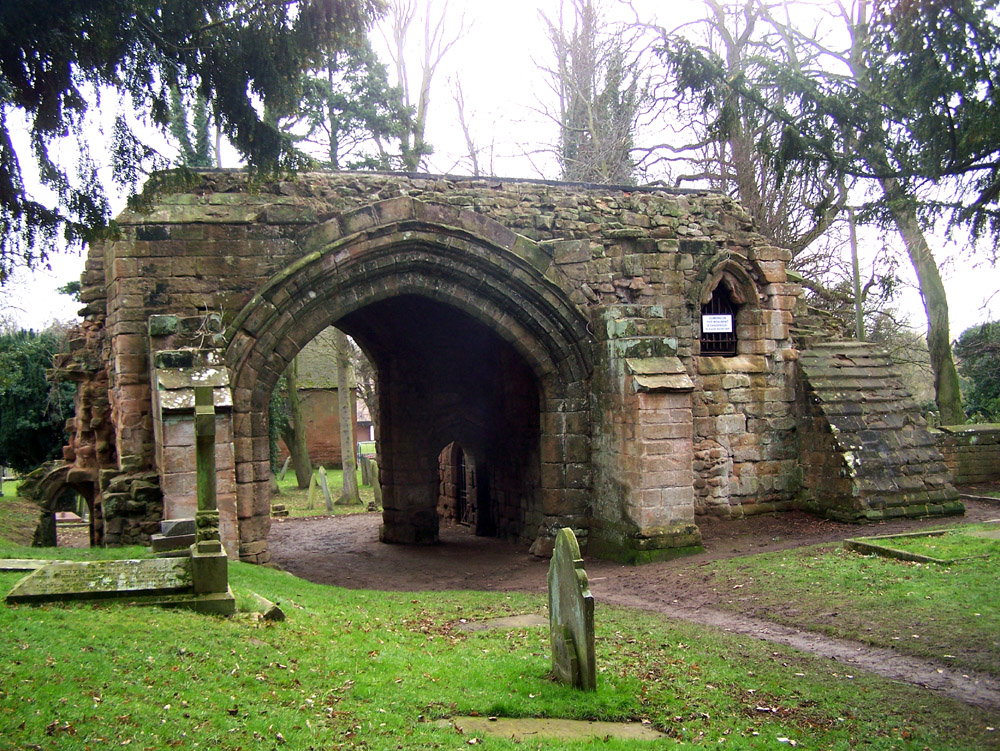 The gate-house is by far the tallest surviving piece of Kenilworth Abbey, which was founded as a Priory around 1122, and dissolved by King Henry VIII in 1538. This view is from what would have been the outside…
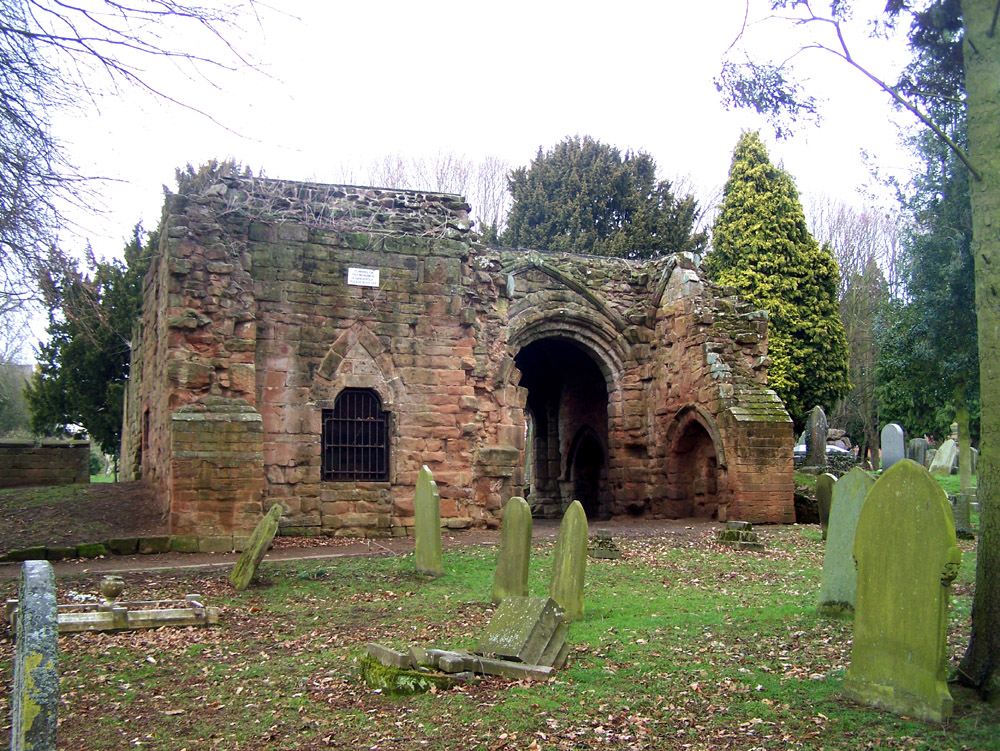 …while this is its appearance from the inside of the Priory, which was elevated to the status of an Abbey in (I think) 1458.